

How to choose the right sunglasses?
 |
Summer or winter, in the city or on the beach, sunglasses protect your eyes and complete your look. How do you choose them? Canopea reviews the technical and aesthetic criteria to help you choose your next pair of sunglasses.
Sunglasses: what does the CE marking on the frame mean? From souvenir shops to fast-fashion stores, and even markets, you can find sunglasses just about everywhere. Since 1995, a European standard has required the CE symbol on frames. Products bearing this mark filter out 99% of UVA and 99.9% of UVB rays. Unfortunately, since this marking is easily forged, it does not provide a real guarantee regarding the quality of the product. Be wary of glasses sold off the street, particularly by street vendors.
Sunglasses: 5 protection levels A common misconception is that the darker the lens, the better it protects against UV rays. The tint of the lens actually has nothing to do with UV protection. The function of a tinted lens is to protect against glare, not UV rays. Some corrective lenses, as well as most contact lenses, have an anti-UV filter even though they are completely transparent. Sunglasses are classified into 5 categories, ranging from 0 to 4, from the lightest to the darkest lenses. These categories allow you to adapt your sunglasses to weather conditions and your activities:
- category 0: little protection, primarily for aesthetic purposes, can be used in winter;
- category 1: low sunlight, overcast weather, cloudy skies;
- category 2: sunny conditions, for city use;
- category 3: strong sunlight, ideal for summer and outdoor activities (vacation, sea, mountains, winter sports, etc.);
- category 4: extreme sunlight, especially in cases of intense reflection (mountaineering, glaciers, high mountain hiking, and at sea). These very dark glasses must not be worn while driving.
 |
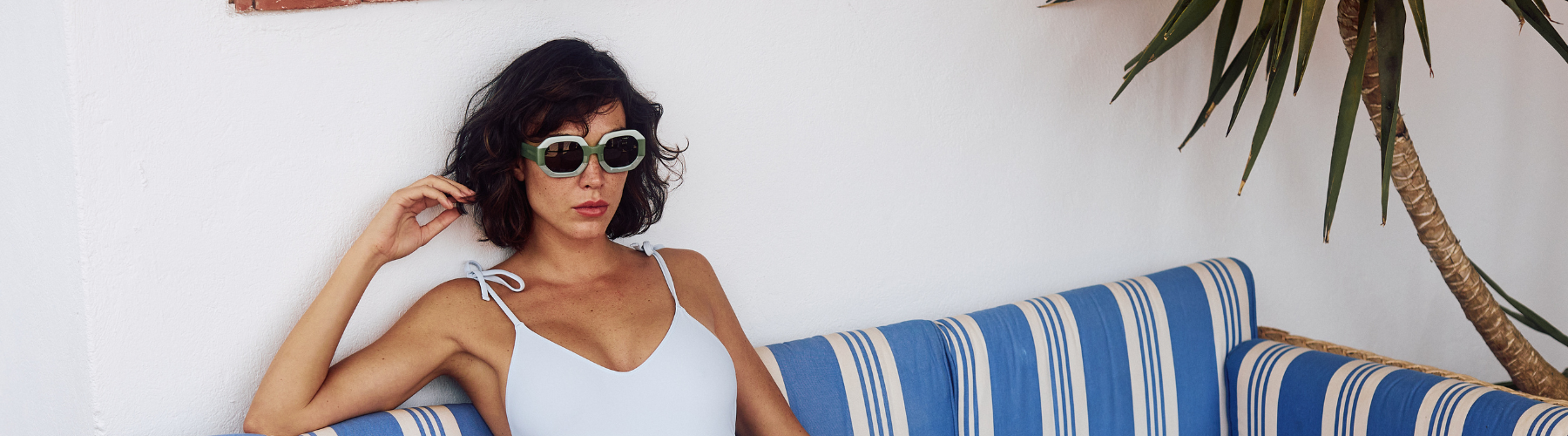
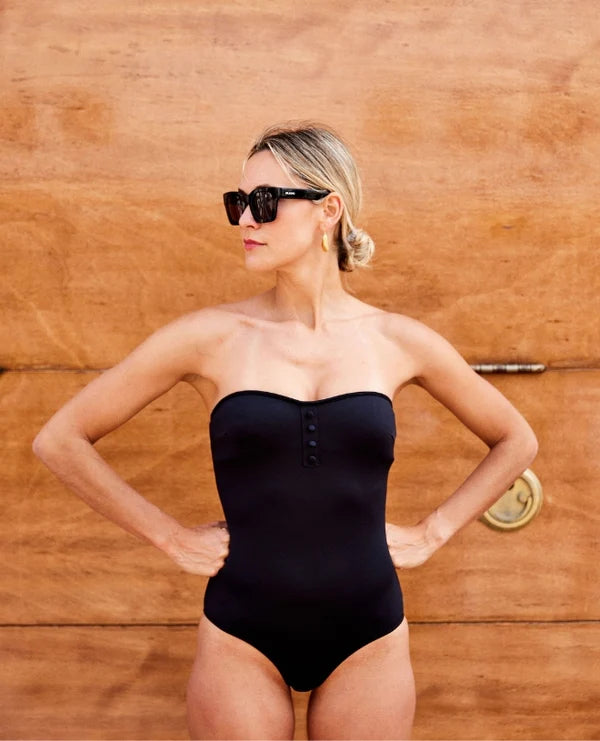
Which lens color for your sunglasses? The color of the lenses is not just a matter of taste; some colors are better suited to your needs than others. Pink and blue lenses have no protective role, alter color perception, and can interfere with driving; their function is therefore purely aesthetic. Brown lenses are well-suited for nearsighted people, green for farsighted people, while gray lenses are suitable for everyone and are particularly recommended for athletes (golf, cycling, running, tennis). Yellow lenses enhance contrast and depth perception. They are suitable for low light conditions, particularly for night driving. An ideal frame for every face shape Every year, fashion dictates specific eyewear shapes. Being trendy might be tempting, but it is better to have a frame adapted to the shape of your face rather than a trendy model that won't flatter you enough. If your face is round, you can reinforce this aspect by choosing round glasses, or conversely, play on contrasts by adopting a frame with angular shapes. If your face is square or rectangular, you can soften it by adopting an oval frame, or accentuate its character with geometric glasses, such as cat-eye or butterfly styles, for example. For long faces, choosing round or oval shapes will help round them out. If your face is oval, you don't need to ask yourself any more questions; all shapes can work. If your face is small, thin and discreet glasses will avoid drowning your features behind your frames. Large frames are better suited to thick hair. If, on the other hand, you have short hair or a hairstyle that clears your face, avoid large frames that would take up too much space.
 |
For children, sunglasses are essential For your child, sunglasses are as essential for their eyes as sunscreen is for their skin. Up to the age of 12, a child's crystalline lens is not yet fully formed and must be highly protected. Children's eyes are much more sensitive to UV rays than adults'. Before age one, the retina absorbs 90% of UVA and 50% of UVB. Before age 12, 60% of UVA and 25% of UVB. It is only at age 25 that the crystalline lens is formed and blocks a large part of UV rays. Toddlers should not be exposed to the sun. When out and about, wearing a hat will protect their eyes and skin. Around 6-8 months, when baby can sit up, you can equip them with their first pair of sunglasses. Buy them preferably from an optician to be sure they are truly protective. The specialist can also provide advice on how to preserve your child's visual health.