Fashion of the 30s
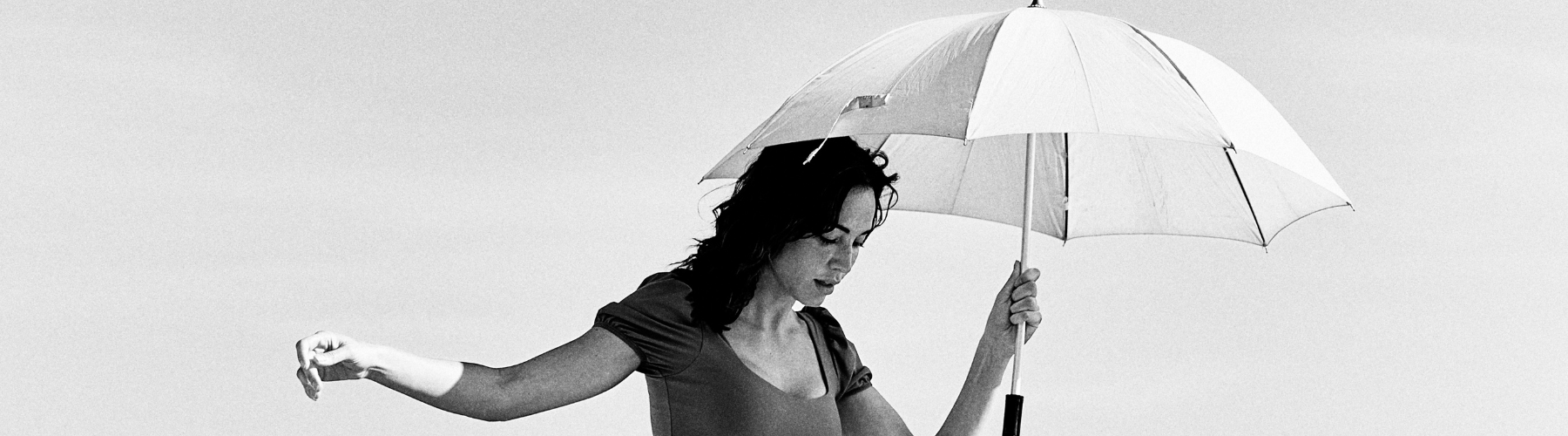
The 1930s marked a pivotal period in the history of fashion. The 1929 crisis left a lasting impact on society, and the fashion industry, like others, struggled to recover. Far from the freedom of the Roaring Twenties, clothing became more modest and classic, yet it gradually defined the lines of an elegance that would stand the test of time.
A return to greater classicism
Charleston dresses, garçonne cuts, sequins, and revealing necklines—in the aftermath of the First World War, the atmosphere was festive. Skirts and hair grew shorter, and fashion houses were at their peak. Chanel (already!), Lanvin, Jean Patou, or Rochas dressed elegant women, and fashion became accessible to all thanks to patterns now found in magazines, which local dressmakers reproduced for their clients. But the upturn was short-lived. With the economic crisis of 1929, the mood became gloomy, and no one had the heart to dance anymore.
The classicism that had marked the pre-war years reappeared, and fashion shifted back toward more conservatism. While the 1920s valued an independent and modern woman, the 1930s, by contrast, conveyed the image of the perfect wife...who wore a girdle designed to keep her stomach as flat as possible! During the day, the suit was simple, and skirts fell below the knee.
The lines were sleek, and a new form of elegance, marked by sobriety, emerged. Dresses cinched the waist and highlighted the silhouette, and the neckline shifted to the back. Even during the day, women would not go without their gloves and hats (or a turban tied around their head!). New fabrics appeared, notably nylon.

|
The invention of leisure
With the advent of paid holidays, the French began to go on vacation, rushing to the seaside resorts of the Normandy coast or the French Riviera. New outfits appeared for playing tennis, notably the mini-shorts. On the beaches, the swimsuit also underwent a transformation. Until then, women's swimwear concealed the body and legs before being modeled on the aesthetic of men's suits for a long time.
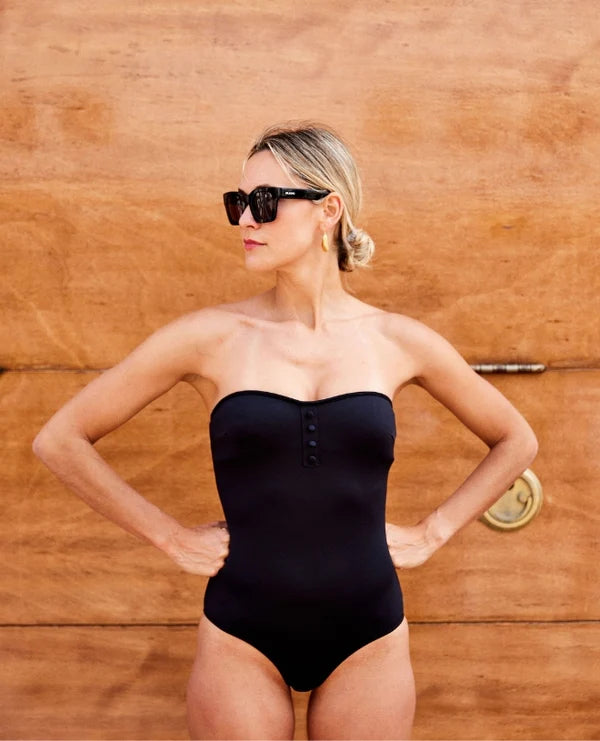
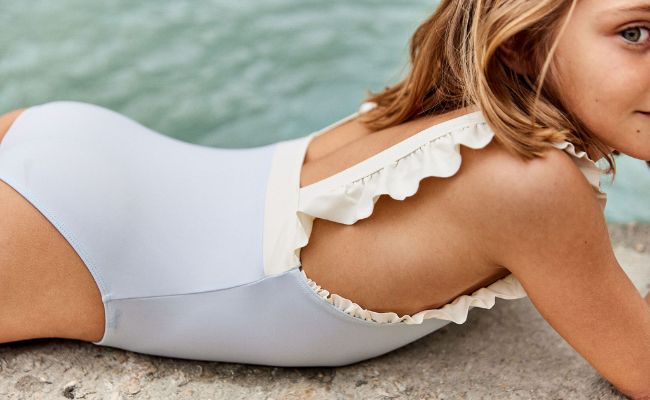
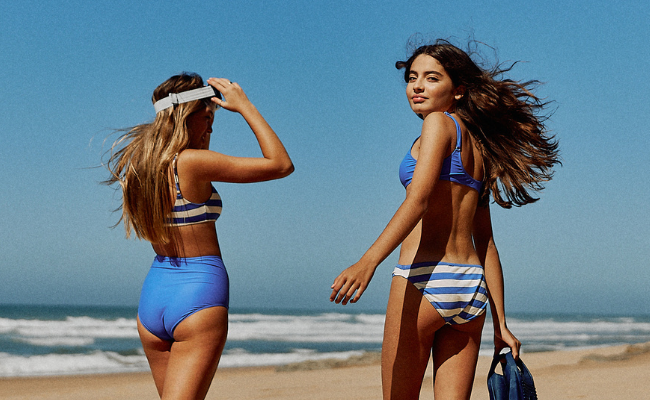
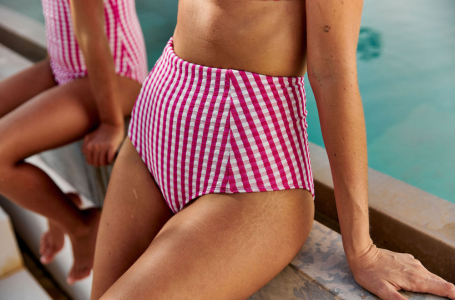
With the 1930s, things finally changed! The swimsuit became a true fashion accessory. Made of elastic fabric or jersey, it revealed the back with sublime necklines and was adorned with colorful bows and ribbons. Does this remind you of anything? It is precisely from the swimsuits of the 1930s that we drew inspiration to design our Canopea swimsuits.
A retro-chic fashion that is both graphic and timeless, highlighting the silhouette. But our swimsuits obviously have an extra asset: 50+ sun protection thanks to recycled Econyl® fiber. Unfortunately, children and adults in the 1930s did not have that chance!

|
The influence of Hollywood
It was also in the 1930s that fashion photography was born, with artists like Man Ray or Christian Bérard who glorified female silhouettes in Vogue, Harper’s Bazaar, or Marie-Claire. On the other side of the Atlantic, Hollywood was in its golden age. It was the era of the first great movie stars, and gradually, the look of Hollywood actresses began to influence the look of French women, particularly their hair and makeup. Fashion favored permed hair worn in a bob or mid-length, sometimes platinum, and false eyelashes became the norm.
Swedish actress Greta Garbo, who had Hollywood at her feet at the time, became a true icon. French women tried to copy her look and her makeup—a real revolution! Eyebrows were now heavily plucked and then redrawn with a pencil; eyelashes were endless, and lips were skillfully highlighted with a very bright red. Another actress, Katharine Hepburn, also gained followers with her tweed trouser suit—a more masculine style, but just as alluring. The 1930s imposed a new femininity and a style that would continue to influence designers to this day.
Discover our collection of anti-UV swimwear here.