






Sun capital: how to define it?

|
The return of spring makes you want to trade winter outfits for light clothing and enjoy the first rays of sunshine. But these moments of sun exposure can carry risks for the skin. How do you define your sun capital? How do you preserve it to keep your skin healthy and prevent diseases like skin cancer? Let's take a look.
What is Sun Capital?
Sun capital (or sun tolerance) represents the amount of UV rays your skin can tolerate throughout your life before suffering irreversible damage. Once this sun capital is exhausted, the skin loses its natural ability to repair itself, and the first visible signs appear: brown spots, premature wrinkles, or even precancerous lesions.
This capital, which varies greatly between individuals, depends on several factors:
-
Skin type (or phototype): Light skin is more vulnerable to UV rays, while dark skin, although better protected, is not immune to the effects of the sun.
-
Living conditions: Occupational exposure, tanning habits, time spent outdoors.
-
Personal and family history: Frequent sunburns, especially during youth, or predisposition to skin diseases.
Signs of Exhausted Sun Capital
Brown or white spots after a sunburn are signs that your sun capital is exhausted. These skin changes, often visible by adulthood, reflect the cumulative impact of sun exposure. This phenomenon is exacerbated by increased time spent outdoors, outdoor leisure activities, and the popularity of tanning.
To avoid serious consequences, such as skin cancer, it is essential to take preventive measures from a very young age.

|
Preserving Your Sun Capital: Best Practices
To protect your skin:
-
Reduce sun exposure during the hottest hours (12 p.m. - 4 p.m.).
-
Wear covering anti-UV clothing, preferably dark, which blocks more UV rays than light colors.
-
Complete your outfit with a wide-brimmed hat and suitable sunglasses.
-
Find refuge in the shade, even though a beach umbrella only blocks 50% of UV rays.
And that's where we come in! Is wearing a cotton T-shirt enough to protect our skin? Well, not really; a cotton T-shirt only filters 20% of harmful rays and loses 50% of its effectiveness once wet. For a top to be effective, you must check for the UPF (Ultra Violet Protection) label. A top with a UPF 50+ rating will filter 95% of UVB and 98% of UVA rays.
That is why we had the idea of creating anti-UV swimwear for optimal sun protection! Practical, right?
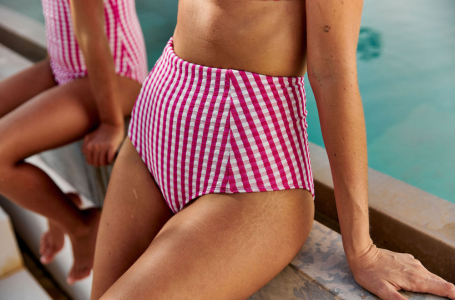
You can find our entire range of anti-UV clothing for the whole family, with style: from anti-UV baby jumpsuits to girls' swimsuits, boys' or men's shorts and trunks, and finally women's bikinis and one-piece anti-UV swimsuits.
Sunscreen remains essential. Apply a sunscreen adapted to your phototype and weather conditions, with an appropriate SPF:
-
Phototypes I and II: SPF 50+.
-
Phototypes III and IV: SPF 30 to 50.
-
Phototypes V and VI: SPF 15 to 30.
Reapply every two hours, after every swim, or after intense physical activity, as sweat reduces the effectiveness of the protection.

|
Phototype: A Key to Better Protecting Your Skin
Your skin type determines your phototype, which influences your sensitivity to UV rays and the risk of sunburn. For example, very fair skin (phototype I) burns easily and rarely tans, whereas dark skin (phototype IV) tans easily and rarely burns.
The Alternatives: Self-Tanner
For those who want a tanned complexion without sun exposure, self-tanners offer a practical solution. These products color the skin on the surface without penetrating deeply. However, unless otherwise stated, they do not protect against UV rays and still require the use of sunscreen when exposed to the sun.
When to See a Dermatologist?
If you notice any skin abnormalities or if you have a family history of skin cancer, it is crucial to consult a dermatologist. This professional can assess the condition of your skin, detect any potential precancerous lesions, and advise you on the best practices to preserve your sun capital.
In summary, protecting your skin from the sun from a very young age is essential to preserve your health and appearance in the long term. Adopt the right habits and take care of your sun capital to enjoy the sun safely.